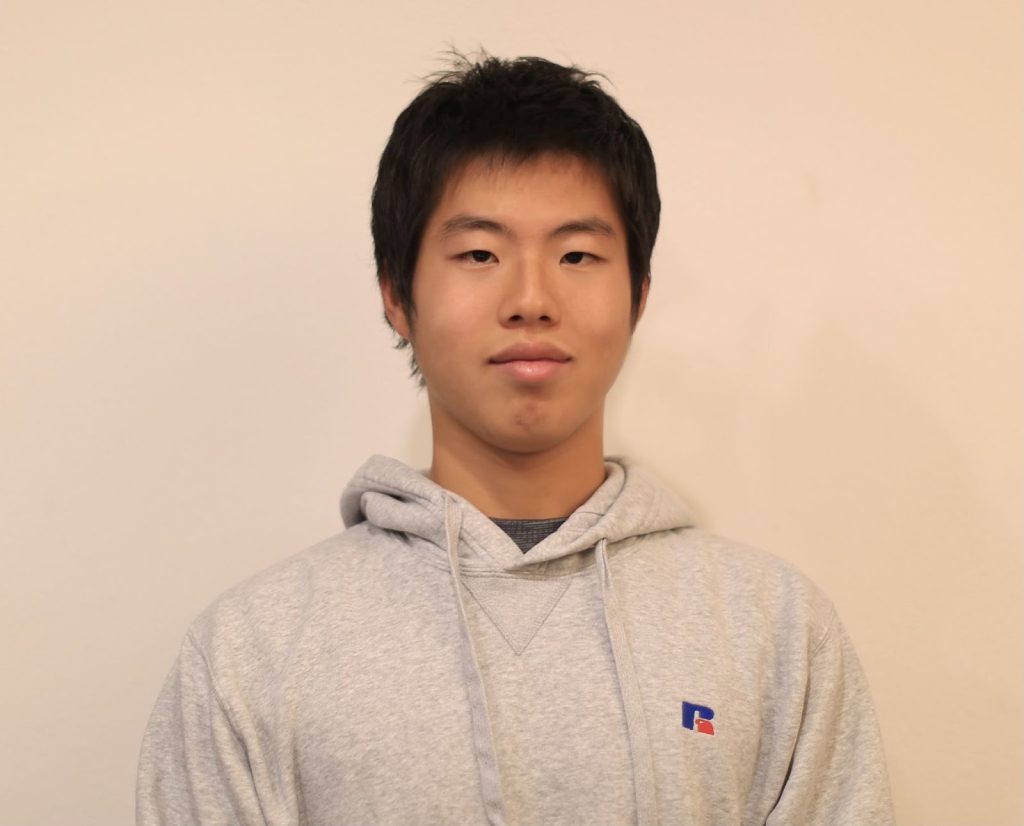
John (Jihun) Kim (Cello) – South Bay Branch
Torrance High (Class of 2025)
Love in Music is more than music to me. Since my freshman year, I’ve taught cello to children aged as young as 6 to as old as 15 years old. Regardless of the maturity level, the student and I both learn something new from every lesson. I’ve learned over the past four years that the biggest key to a successful lesson is casual conversation. Thus, I’ve kept up a routine of talking for a bit before, in between, as well as after a lesson.
Specifically, I encourage my students to talk about topics beyond the cello; although the cello is a key focus, at Love in Music, my main focus was naturally shifted to cultivating a meaningful bond with my students. Many of my students were shy at first, and communicating was a struggle; however, the more I talked, the more they were willing to open their hearts. Furthermore, as I connected with my students, they were even more driven to learn.
I remember that my current student, Tatvi, for example, was at first a bashful 8-year-old. “Hey Tatvi, have you ever played the cello before?” I asked on the first day. “No,” he answered and struggled to hold the instrument. Then I began the lesson by asking how his week was. As I prodded Tatvi into speaking, I soon realized that he was incredibly talkative: our conversations launched into stories of his model rockets, his Tamil culture, and the plot of One Piece, his favorite manga. In turn, I taught him about Korean culture and tennis (his dad is an avid tennis player!). The lessons became quite enjoyable – he has been my student for over a year and has made much progress.
I’ve also taught Pavithra, who has been my most consistent, dedicated, and long-term student. She has made so much progress, and by teaching her from complete beginning to now seeing her be able to tackle more challenging pieces makes me feel proud and excited. Not only that, I’ve seen her mature as a person; at first, she was hesitant in playing, but she now can confidently string multiple measures of music notes together.
When I instruct these students, the quality of the music isn’t the priority. I’ve realized that my primary mission is to create meaningful relationships with them. As I teach them to love music the way I do, we can share our unique life experiences and perspectives. In this way, seeing the development of my students as well as my own has shaped my focus as a teacher volunteer and my outlook towards my future goals.
As the Love in Music season closes, I remember the winter/spring concerts in front of all of their delighted parents. I swelled up with pride in them when they played their pieces with confident smiles. In reflection, I see these Love in Music concerts as gateways between my students and me, and the parents in the audience. In celebrating cultures, music, and the relationships among the teachers, students, and parents, Love in Music concerts assure me of what’s important. I hope to continue my process of getting to know my students better through my remaining lessons at Love in Music and make similar positive impacts in my community beyond high school.